An emergency commercial plumber deals with plumbing failures that cannot wait: a burst supply line, a sewage backup, a failed water heater that floods a floor, or a gas smell. Shut off what you can, protect people and stock, then call. Our commercial plumbing page explains the wider service. Use the request form below to ask for a visit, and we'll arrange a local plumber who handles commercial plumbing services after hours.
What should I do first in a commercial plumbing emergency?
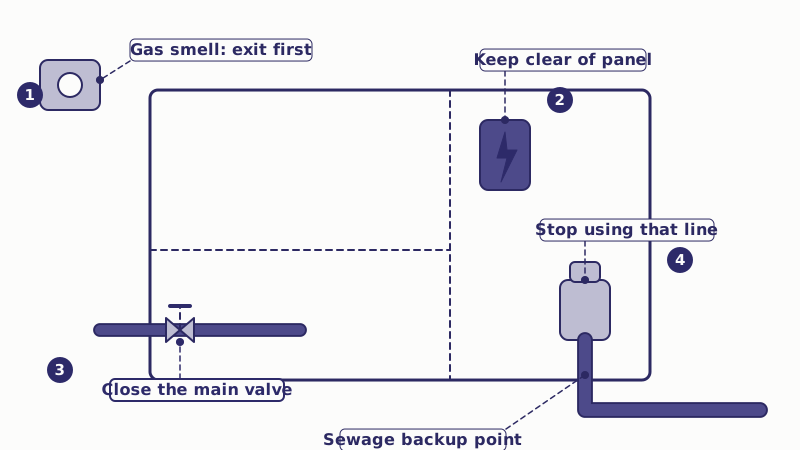
Make the space safe first, then stop the water, then call. People come before property. Clear customers or tenants from any area with sewage, electrical risk or a gas smell, and only then deal with the leak itself. The order below keeps you and your staff out of danger while you limit the damage.
- Gas smell: leave the building at once and do not touch light switches. From outside, call SoCalGas at 1-800-427-2200, and call 911 if anyone is in danger.
- Water near electrics: keep away from outlets, panels and equipment. If you can reach the main breaker safely and dry, switch it off. If not, wait for the utility or an electrician.
- Burst or leaking pipe: close the nearest shutoff valve, or the main valve for the building. Know where these are before you need them.
- Sewage backup: stop using fixtures on that line, keep people out and do not use chemical drain cleaner on it.
- Photograph the damage for your insurer before you move things, where it is safe to do so.
Then call a plumber. If you are tracing a bursting or leaking pipe, the same steps apply to a house, which our burst water pipe guide covers in more detail.
Is there a 24 hour commercial plumber in Los Angeles?
Yes, businesses in Los Angeles do offer round the clock commercial plumbing, but availability and speed vary by company, area and the hour. We do not promise an arrival time. When you send a request, tell us it is an emergency, the address, the building type and what is happening, and we'll arrange a local plumber who covers after-hours calls.
What helps most is clear detail. "Second floor restroom pipe burst, water coming through the ceiling of the shop below, main valve not found" gets a better response than "plumbing problem". If the plumber cannot attend straight away, ask what you can do to limit the damage until they arrive.
The home page shows how a request becomes a visit. If your problem is a house, not a business, see emergency plumber help for homes.
What counts as a commercial plumbing emergency?
An emergency is any plumbing failure that threatens safety, floods the premises, stops you operating or will get much worse within hours. A dripping faucet is not one. A backed-up restaurant kitchen with no working sinks is. The list below shows the usual cases.
Common emergencies in commercial buildings:
- A burst or split supply pipe, including pipes above ceilings.
- A sewage backup or overflowing floor drains.
- A failed water heater that leaks or leaves no hot water for a kitchen or care facility.
- A broken main shutoff or a valve that will not close.
- A gas smell or suspected gas leak (call SoCalGas first, from outside).
- A grease-blocked line in a food business.
For a business, the clock runs on lost trading time as well as water damage, which is why speed and clear information matter.
What does an emergency commercial plumber cost in Los Angeles?
After-hours commercial plumbing typically costs $150 to $300 an hour or more, and a call-out fee of $100 to $300 may apply, according to published guides. Angi puts emergency pricing at 1.5 to 3 times the normal rate. These are guides, not quotes. The plumber states the rate before starting.
| Item | Guide range |
|---|---|
| Standard business-hours commercial rate | $100 to $150 per hour |
| Emergency or after-hours rate | $150 to $300+ per hour |
| Emergency call-out fee | about $100 to $300 |
| Minimum billable time | ask before dispatch |
Ask three questions before you agree: what is the hourly rate tonight, is there a call-out fee and a minimum, and does the fee include travel. For a full breakdown of the pricing, see commercial plumber hourly cost.
Who is responsible for a sewer backup, the city or me?
In the City of Los Angeles, the property owner is responsible for the private sewer lateral that runs from the building to the street connection, and LA Sanitation is responsible for the public sewer main. If sewage also comes up in street manholes or neighbors are affected, the problem may be in the main, and you can report it through 311.
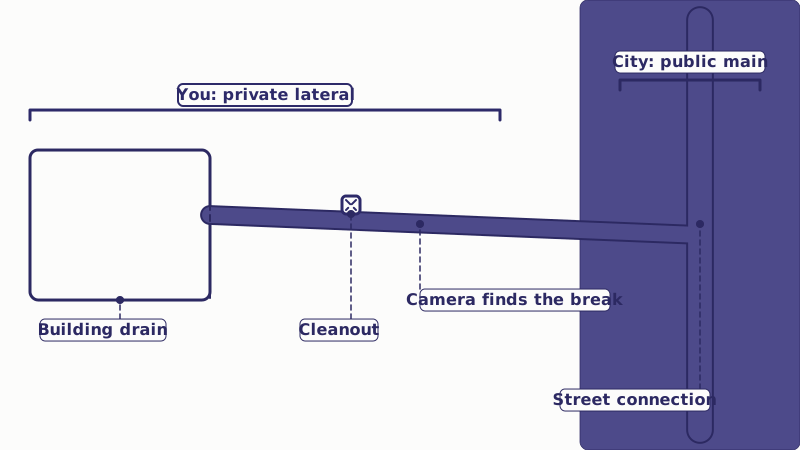
A plumber can tell the difference by running a camera line. Work in the public right-of-way, under the sidewalk or street, needs a permit from the city and cannot be done as an ordinary repair. Check this with LA Sanitation before you dig or pay for work outside your property line.
Insurance matters here too. Sewer backup coverage often needs a specific endorsement, so check your policy and photograph everything.
Do emergency repairs need a permit?
Often, yes, though the plumber may begin urgent stop-gap work first. LADBS requires permits for most plumbing work in the city, such as replacing a water heater or changing pipework, and the plumber of record normally pulls it. Emergency fixes that restore a single existing fixture may not.
Ask the plumber to tell you what will need a permit and an inspection once the emergency is over. Skipping a permit can cause problems later with insurers, buyers and the city.
Common questions
How fast can an emergency commercial plumber arrive?
It depends on the hour, traffic and how many calls are waiting, and we do not promise a time. Ask the plumber for an honest estimate when you call. In the meantime, close the shutoff valve, move people and stock away from the water and keep your phone nearby. The faster you give the address and symptoms, the faster the job is understood.
Do I need to be on site when the plumber arrives?
Someone should meet the plumber, show the shutoffs and approve the work, even if that is a manager or key holder by phone. If the building is locked or alarmed, arrange access first and tell us. Without access, the plumber may leave without finishing, and you could still pay a call-out fee.
Will my business insurance cover the damage?
It might, depending on the policy and the cause. Many commercial policies cover sudden water damage but not slow leaks or maintenance failures, and sewer backup usually needs its own endorsement. Take photographs, keep damaged items and the plumber's invoice, and call your insurer promptly. We cannot advise on a specific policy.
Should I use drain cleaner on a backed-up commercial drain?
No. Chemical drain cleaners rarely clear a main line and can burn skin and eyes, and they make the job more hazardous for the plumber who then opens the pipe. Poison centers warn against mixing cleaning products. If a drain has stopped, leave it alone and call a plumber. Poison Control is 1-800-222-1222 if someone is splashed or inhales fumes.
Is a 24 hour commercial plumber the same as a residential emergency plumber?
The trade is the same, but the equipment, access and rules differ. Commercial work often involves larger pipes, grease interceptors, multi-story risers and strict building access. Tell us the building type when you call so the right plumber is arranged.